
The best time to visit mainland Japan is late September through mid-November. Autumn is beautiful in Japan – humidity is low and temperatures are mild. The foliage can be spectacular, and hotels are affordable. If you go another time of the year, see how cherry blossoms, Golden Week, and regional weather will affect your trip.
Get the timing right in Japan and you’ll have mild weather, thin crowds and it will be easy to book hotels and tours. Get it wrong and it feels like you’re competing with half the country for a hotel room and standing in a crowd three people deep for every site.
Late September through mid-November is the best all-around visit window. Mid-May, right after Golden Week ends, is a close second.

The best overall window: late September through mid-November
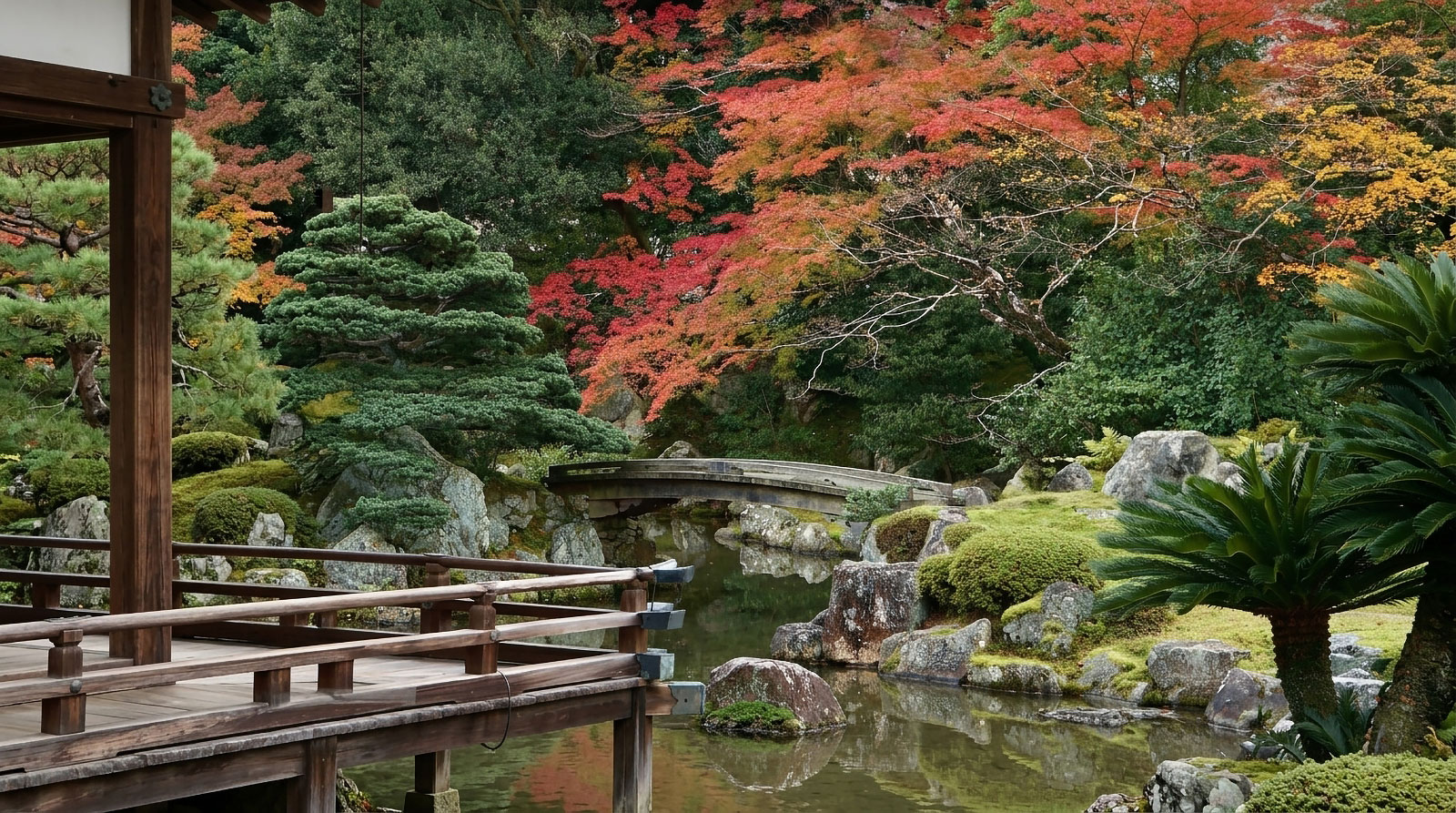
Summer heat and humidity are gone by late September. Typhoon risk, which peaks in August and September, drops off sharply after mid-September. Temperatures settle into comfortable walking weather through October and November. Crowds are lighter than spring, and hotel prices run 20 to 30 percent below cherry blossom season rates in the same cities.
Autumn foliage, “koyo”, builds through October and peaks in November: Hokkaido and the mountains color first, from late September into mid-October. Nikko and the Japanese Alps follow in late October to early November, and Tokyo and Kyoto often don’t peak until late November into early December.
Check the Japan Meteorological Corporation’s forecast as your trip gets closer. Warm autumn temperatures in recent years have pushed peak color later than the historical averages most guidebooks still quote, so if you haven’t already locked your dates in, check the forecast about six weeks out.
Kyoto at peak foliage is beautiful, and… crowded. If you’re visiting in the fall and are set on seeing the maple gardens at Tofuku-ji or the Philosopher’s Path in full color, visit on a weekday and get there as early as possible. Weekend afternoons at the popular temple gardens during foliage peak can feel more like a crowd than a walk.
The second-best window: mid-May
Golden Week ends on May 6. From May 7 onward, the crowds that packed trains and hotels a week earlier thin out fast, prices drop back to normal, and the weather is still pleasant: warm days, cool evenings, low humidity. If you want spring in Japan but not the cherry blossom crowds or the cherry blossom prices, May is it. You’ll miss the blossoms themselves, since they’re long gone by early May, but you’ll get fresh green leaves on the same trees and quieter gardens.
Cherry blossom season: the tradeoffs
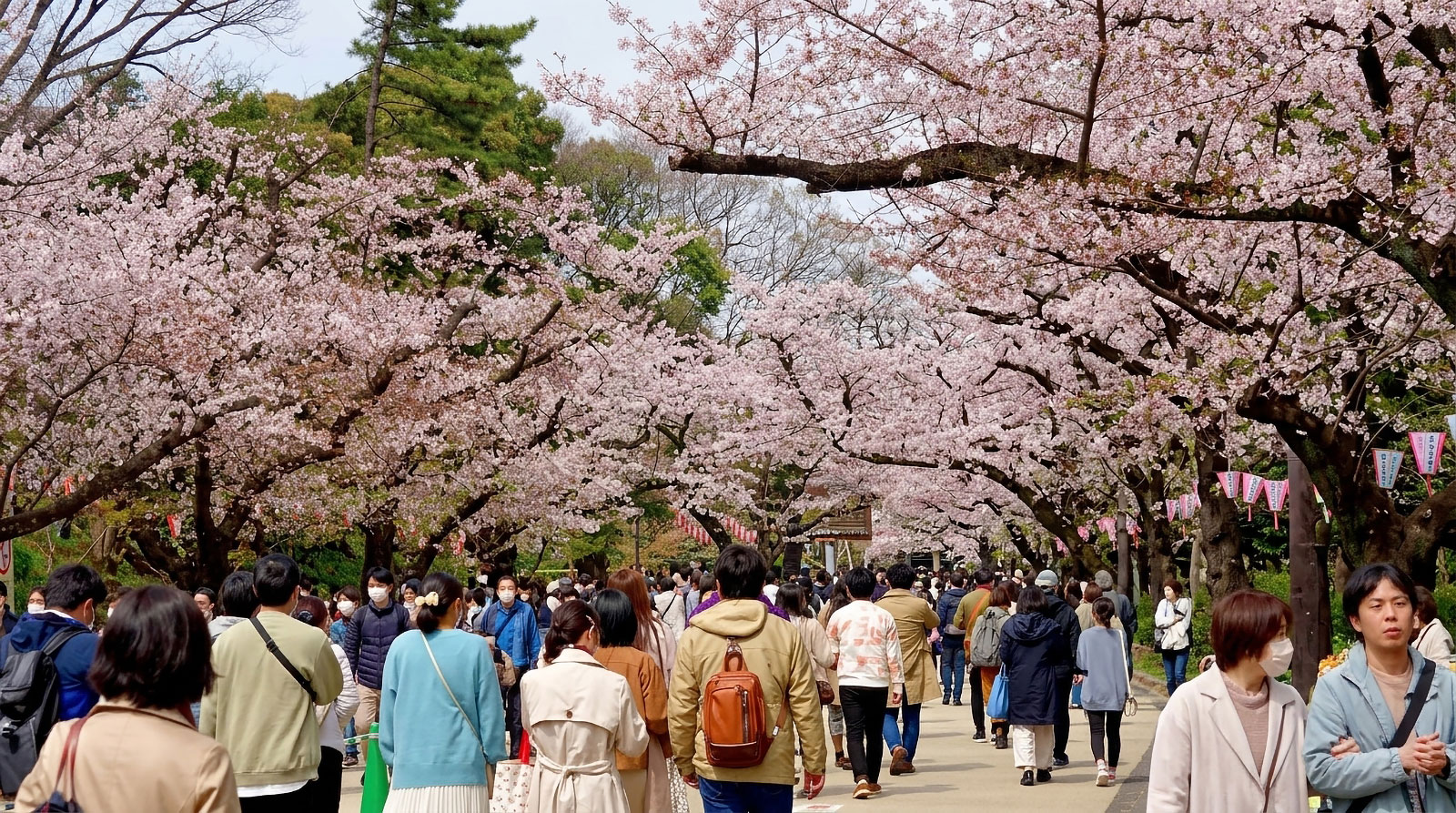
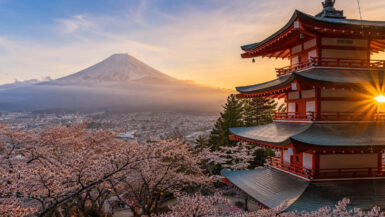
Peak week in Kyoto, with blossoms arching over the canals and temple gardens gone entirely pink? Plenty of travelers build their whole itinerary around it. If you are determined to see the cherry blossoms, make sure you don’t mind braving the crowds.
The tradeoffs are real. Hotel rates in popular cities surge 50 to 100 percent during peak bloom. Rooms in Kyoto and Tokyo fill up several months out. The blossoms last about a week in any given location before the petals fall, which means you’re planning a trip around a window that can shift by ten days from one year to the next.
Tokyo and Kyoto typically peak from late March to early April. The Japan Meteorological Corporation releases its official cherry blossom forecast in late January or early February, and if you are trying to time your trip to see the cherry blossoms, that’s when you want to start locking in your travel dates. It’s risky to choose dates based on last year’s calendar.
tip
Book Kyoto hotels for cherry blossom season 6 to 9 months ahead, before the official bloom forecast is out. If you wait for the forecast to book, many rooms in Gion and Higashiyama will already be gone. If you choose hotels you can cancel for free, you can make multiple reservations over nearby date ranges, and then keep the reservation that aligns with the forecast.
Kyoto and Tokyo hotel rates climb fastest in the weeks right after the cherry blossom forecast drops. Check out my guide on Where to Stay in Japan for neighborhood picks. Compare rooms and lock in a rate on Booking.com.
Golden Week and other periods to plan around
Japan has a handful of weeks each year that are worth knowing about before you build an itinerary around them, whether that means avoiding them entirely or booking six months out because you can’t.
Golden Week: April 29 to May 6
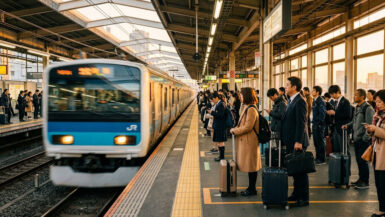
This is the busiest domestic travel week of the year, built from four fixed national holidays: Showa Day on April 29, Constitution Day on May 3, Greenery Day on May 4, and Children’s Day on May 5. The dates don’t move with the lunar calendar, but weekends and substitute holidays shift the exact length of the break each year, sometimes stretching it to eight or ten days when workers add paid leave to fill the gaps. Shinkansen seats sell out weeks ahead. Hotel prices spike across the country, not just in Kyoto and Tokyo.
Obon: mid-August
Japan’s summer holiday for honoring ancestors is the second-biggest domestic travel surge of the year. Many small restaurants, family-run shops, and some larger businesses close for several days. It’s also unspeakably hot and sweaty in August. Unless you are there specifically for Obon, skip August.
New Year’s week: late December into early January
The temple ceremonies around New Year are worth experiencing if you’re already in the country, but most small restaurants, shops, and some larger businesses close for the first few days of January, and trains are crowded. Plan meals and day trips with that in mind rather than assuming everything will be open.
June and early July: the rainy season
Persistent drizzle and high humidity across most of the country. It’s not a bad window for museums, temples, and indoor food halls, but it’s a rough one for anything built around walking outside.
July and August: unbearably hot
I’ve been to mainland Japan in July and it was brutal. Tokyo and Osaka regularly hit 91–95°F (33–35°C) – it’s so humid, your clothes will be drenched after walking for 10 minutes. If you like a jungle climate, maybe this is for you, but if July/August was my only travel window, I would definitely go to Hokkaido, or maybe somewhere other than Japan.
Regional differences – Hokkaido and Okinawa
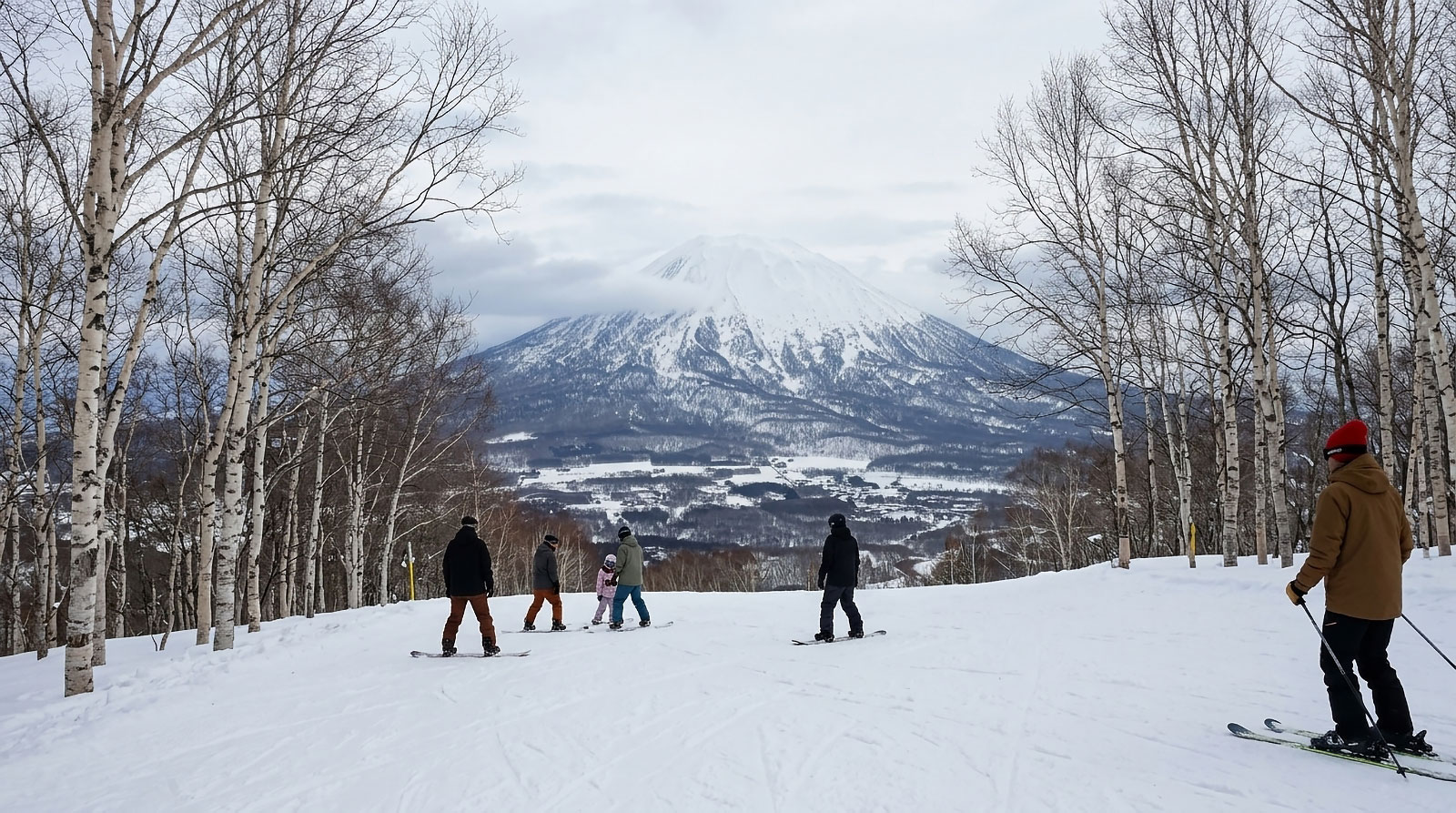
Hokkaido stays cooler than the mainland year-round, which is an escape from the heat in summer. But winter is the real draw: world-class powder skiing runs from December through March, and the Sapporo Snow Festival in early February pulls visitors from around the world.
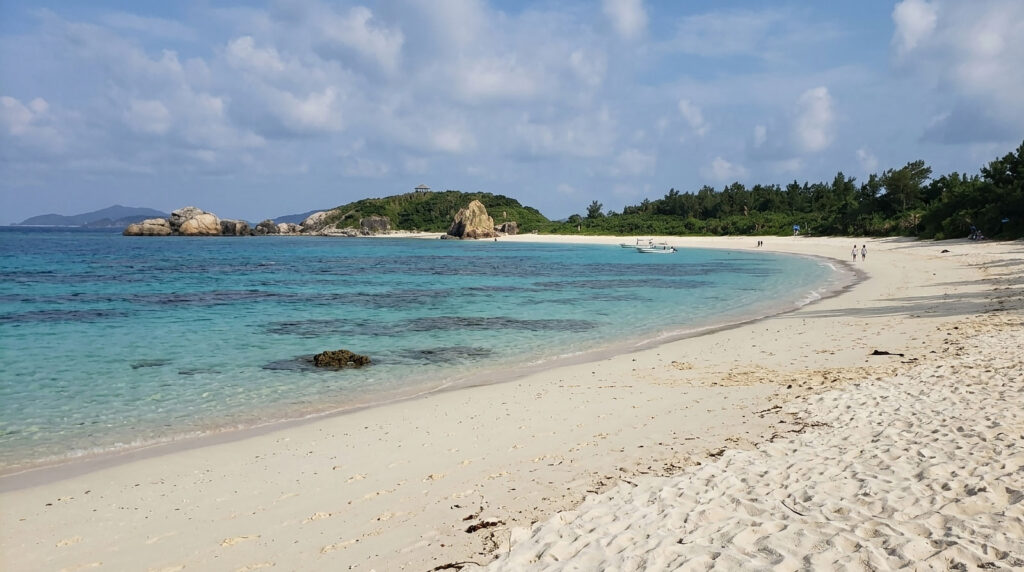
Okinawa is a subtropical chain of islands stretching between Japan and Taiwan. The best windows to visit Okinawa are April through June, before the rainy season sets in, and October, after typhoon season eases off.
Leave a reply